
A word from our secretary general
Mara Caboara - EXCA

EXCA works with the European institutions to ensure the policy framework for expanded clay preserves the industrys competitiveness in Europe. Key topics include: carbon policy and the ETS, the revised Ceramic BREF, EPDs, technical standards on construction and the reuse and recycling of expanded clay products. To embrace these challenges and avoid overlaps, a new EU Industrial policy should go hand-in-hand with sustainability and keep high quality jobs in Europe.
A word from our president
Kim Rosenbom - Leca International

EXCA and its members are committed to supporting Europe's transition towards a more sustainable, resilient, and resource-efficient built environment. Producing lightweight, durable, and circular construction material, expanded clay delivers significant benefits across housing, infrastructure, and water management applications, helping address some of society's most pressing challenges.
Our industry is investing in innovation and decarbonisation. Producers are increasing the use of renewable and low-carbon energy sources, improving production efficiency, and developing new applications that contribute to reducing emissions throughout construction and industrial value chains. At the same time, independently verified Environmental Product Declarations (EPDs) demonstrate the circularity and long-term sustainability performance of our products.
Expanded clay will continue to play an important role in the future of construction. And working together, we can help build a more sustainable, resilient, and competitive Europe.
A word from our vice-president
Jurgen Tuffner - Liapor

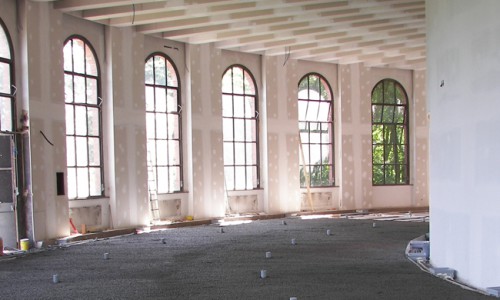
Expanded clay is a highly versatile material with endless potential. It offers superior water filtration and purification with minimal energy consumption; reduction of settlements and soil pressure with improved drainage capacity; green roofs and floors minimising the load on the floor sub-formation.
Our member companies EPDs showcase our products full circularity; new applications lead to considerable CO2 reductions throughout industrial supply chains, and fossil fuels are replaced by biomass and more sustainable energy sources.
Expanded clay
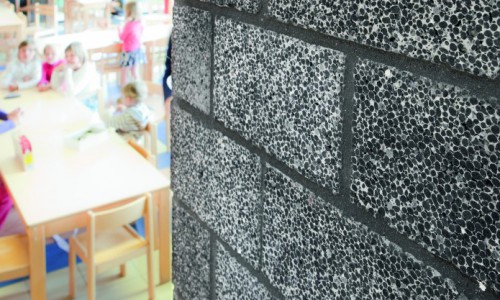
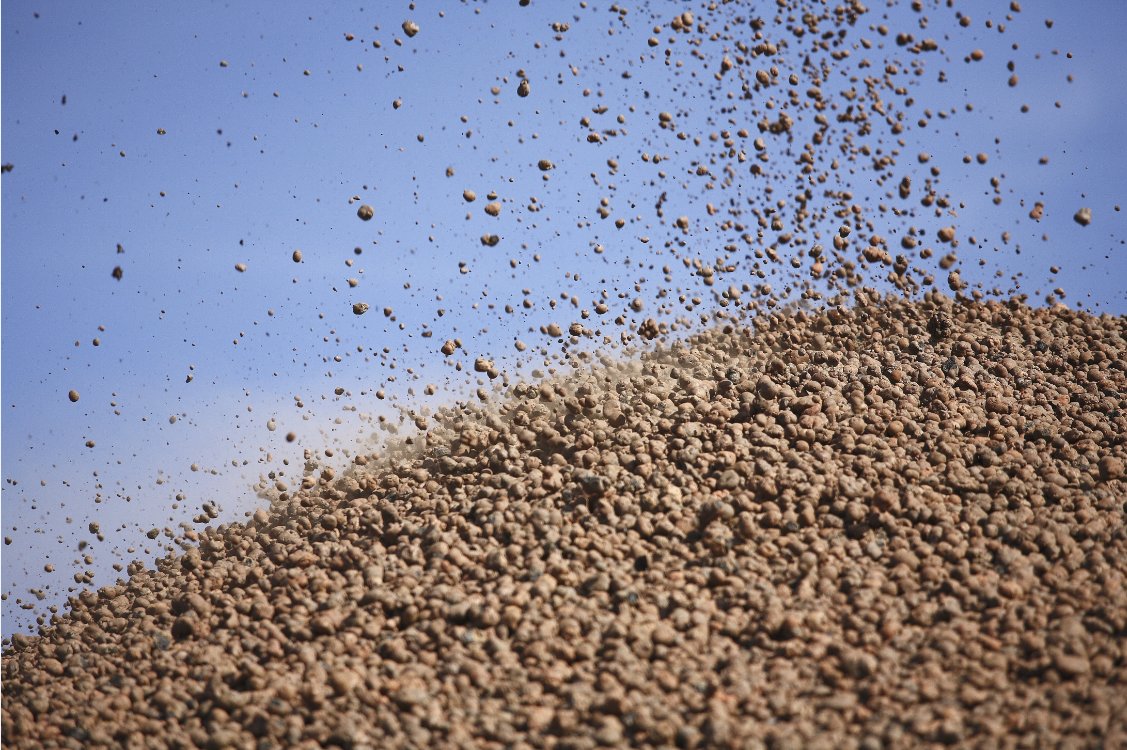
Expanded clay is a well-proven, high quality, efficient and durable lightweight aggregate suitable for a wide range of applications in the construction sector. It is a sustainable construction material packed with properties that improve the economic, social and environmental performance of a building or infrastructure over its whole lifetime.
EXCA is the European expanded clay association and represents the interests of all major expanded clay producers throughout Europe. With its 10 member companies in 10 countries operating 11 plants throughout Europe EXCA represents more than 80% of the European industry.